I Used to Have No Flowers Due to Florida’ Storm
Two months ago, Florida was not the Florida you see on postcards. The weather forecast had been warning us for nearly a week about a severe storm system moving up from the Gulf. Meteorologists used phrases like “sustained winds over 60 miles per hour,” “localized flooding,” and “possible supply chain disruptions.” Normally, those words pass…
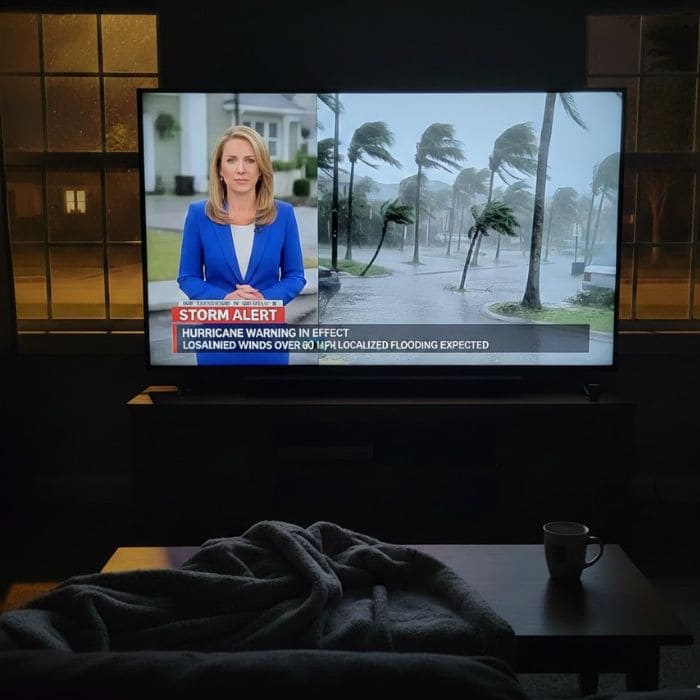
Two months ago, Florida was not the Florida you see on postcards. The weather forecast had been warning us for nearly a week about a severe storm system moving up from the Gulf.
Meteorologists used phrases like “sustained winds over 60 miles per hour,” “localized flooding,” and “possible supply chain disruptions.”
Normally, those words pass through daily life like background noise, but that week, they did not.
By the afternoon the storm arrived, the sky had darkened into a heavy slate gray that made the entire neighborhood look flattened.
The wind began before the rain, bending the tall palms along our street so far that their trunks curved visibly.
Then the rain came, not gently but in sheets, striking windows sideways. Water pooled along driveways within an hour, and the gutters overflowed.
At one point, I could not see the house across the street clearly because the rain created a moving curtain between us.
Of course, schools closed early, and my husband canceled meetings. My son and I stayed inside, watching branches snap and tumble down the road like thrown sticks.
The power flickered twice but held. We lit candles anyway, just in case.
Inside the house, the air felt damp despite the air conditioning running constantly. I could feel the humidity clinging to the walls.
The Last Roses Holding On
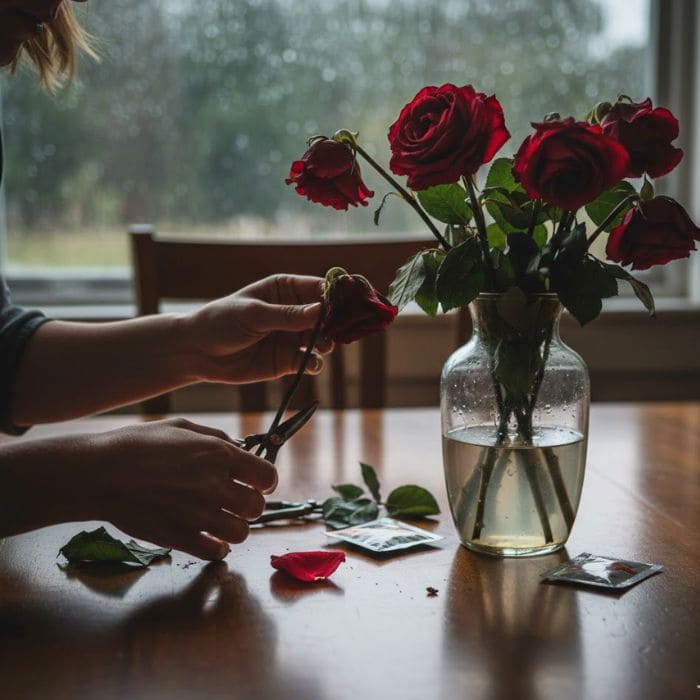
On the dining table stood the final bouquet of red roses I had bought earlier that week. They were already about five days old, but I had been maintaining them carefully.
I had trimmed the stems twice, removed lower leaves, changed the water every other day, and added a measured amount of flower food.
And the storm accelerated everything.
By the second day of heavy rain, I noticed the petals had softened more quickly than usual. The outer layers began curling inward, not gracefully but tiredly.
When I lifted one bloom to check the stem, it bent slightly at the neck. The water in the vase, which I had changed the night before, turned cloudy again by midday.
High indoor humidity encourages bacterial growth, and I could smell the faint sourness beginning to form in the water.
I removed two roses that had fully collapsed and tried to salvage the rest, but by the third morning it was clear the bouquet had reached its end.
Driving Through the Aftermath
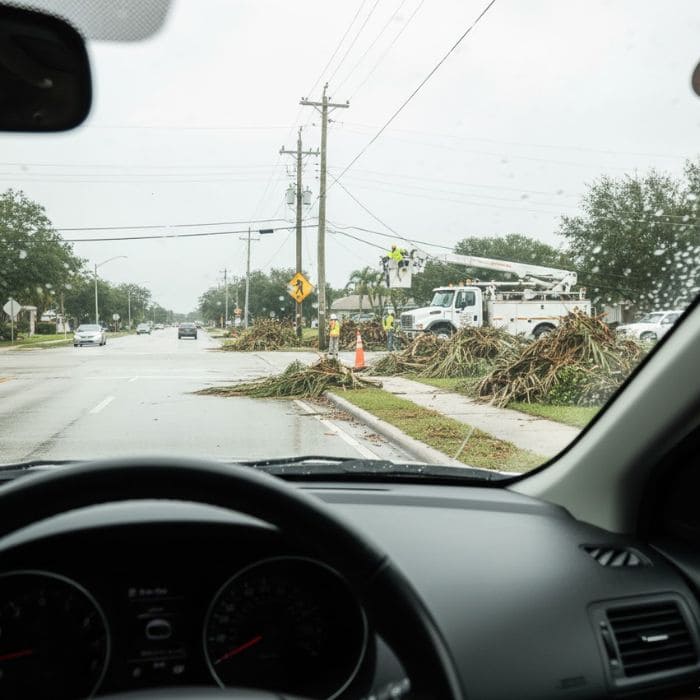
Two days after the worst winds passed, roads reopened cautiously.
I decided to drive to Jennifer’s store, assuming I would replace the wilted roses with something fresh, something that would brighten the house after days of gray.
The drive itself felt different. Palm fronds were stacked in neat piles along sidewalks. Small tree limbs lay pushed to the side of intersections. Utility trucks were parked at corners repairing lines.
Moreover, the air smelled clean but unsettled, a mixture of wet soil, broken wood, and salt carried from distant coastal gusts.
When I pulled into the small gravel lot outside Jennifer’s shop, I noticed immediately that the usual buckets near the entrance were missing. Inside, the difference was sharper.
The Shop With Almost Nothing to Sell
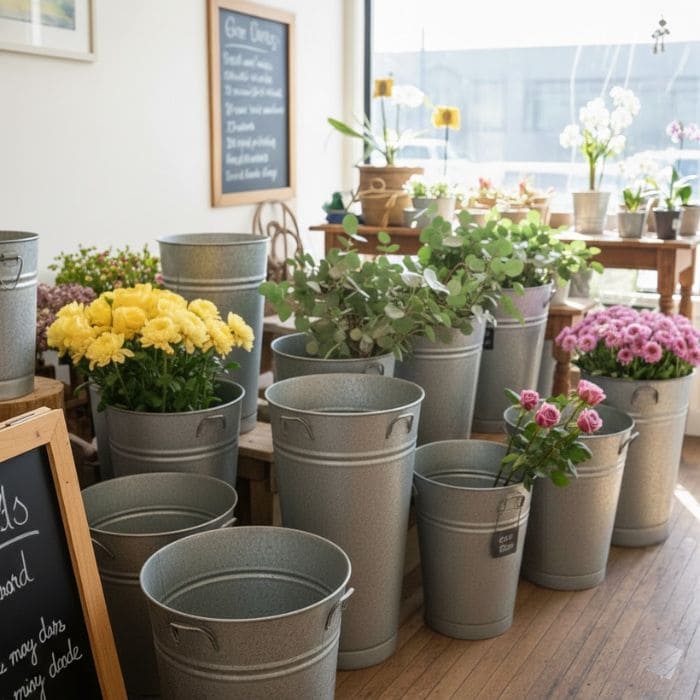
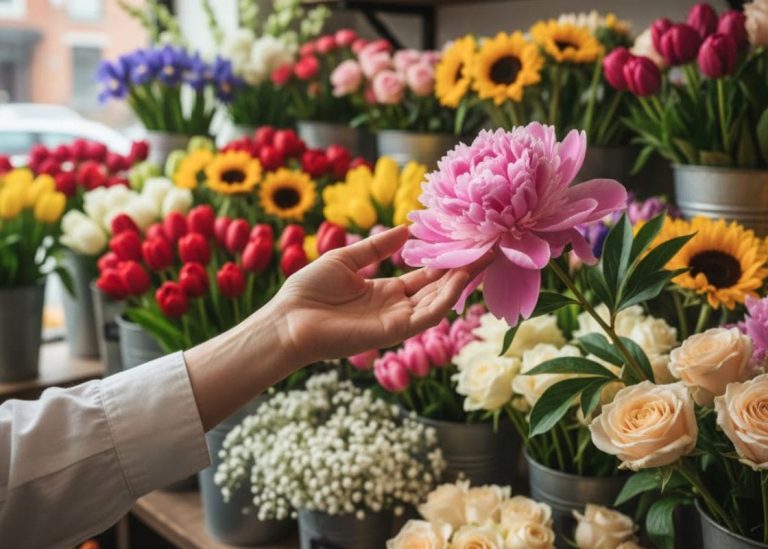
Jennifer’s store is usually layered with color. Buckets of hydrangeas near the front, garden roses along the left wall, seasonal stems in tall silver containers near the back.
However, that day, nearly two-thirds of the floor space looked empty.
There were only a few buckets remaining, and most contained imported flowers. No locally grown garden roses, and no Florida-grown greenery.
Jennifer explained that the storm had disrupted multiple levels of supply. Local growers experienced flooding in some fields.
Delivery trucks from central Florida were delayed because roads were temporarily closed. Some shipments from out of state had been rerouted or postponed.
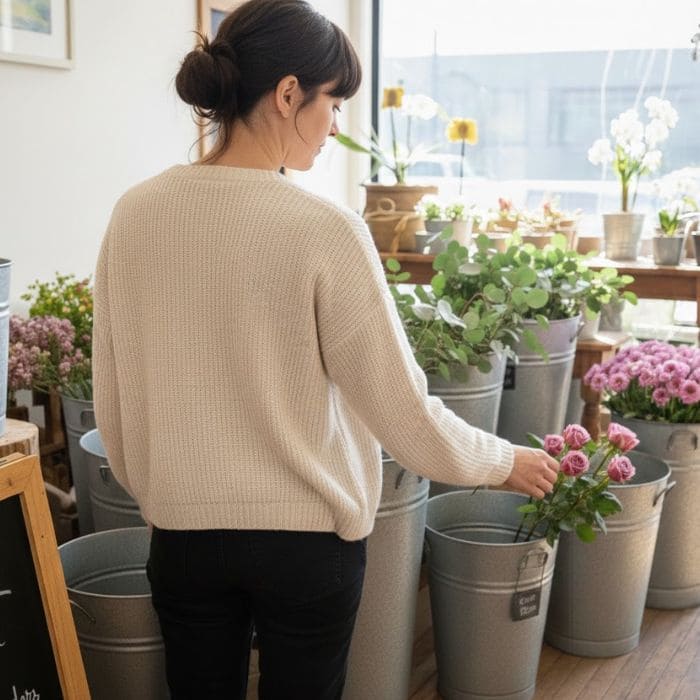
The flowers that did arrive had traveled longer distances and carried higher transportation costs.
Then I picked up a bundle of imported roses and checked the tag. The price was nearly eight times what I normally pay for a comparable bouquet.
“Oh my God.”
I recalculated quietly. Between groceries that had already increased due to transportation delays, a slightly higher electricity bill from running the air conditioning continuously during the storm, and minor yard repairs, our monthly expenses were already higher than usual.
If I bought the roses, our discretionary spending for the month would shrink noticeably.
Jennifer saw me thinking and said gently, “Give it another week. The supply will stabilize once roads and farms recover.”
The First Time I Chose Not to Buy
I walked out of the shop without carrying a single stem.
Sitting in my car, I felt something I did not expect. It was a small realization that flowers, which feel so personal and intimate in my home, are deeply connected to systems far larger than me.
By the time I drove home, the sky had cleared slightly, but the neighborhood still showed the storm’s imprint.
The House Without a Vase
When I returned home, the dining table was bare. I had thrown away the wilted roses earlier that morning. The large ceramic vase sat clean and dry on the counter, waiting.
For the first time in a long while, I placed it back into the cabinet instead of filling it.
The room looked different. I hadn’t realized how much I rely on flowers to soften the edges of daily life until they weren’t there.
My son asked that evening, “Mom, are we not getting flowers this week?”
I told him the storm changed things for now, and that we would wait.
What That Week Taught Me
That week, I did not buy any flowers. Instead, I cleaned the windows more carefully to let in more natural light.
I rearranged a small stack of books on the console table. I moved a lamp slightly closer to the corner that usually holds a vase.
I also began thinking more about how deeply flowers are connected to systems beyond my home.
Weather patterns, transportation routes, agricultural cycles, labor, fuel prices, all of these influence what ends up in a simple glass vase on my table.
When Flowers Returned
About eight days later, I returned to Jennifer’s shop. Deliveries had resumed. Local growers were sending smaller but steady batches again.
And luckily, prices had dropped closer to their usual range. That day, I chose a modest bouquet of carnations and eucalyptus.
When I placed them in water and set the vase back on the dining table, I appreciated them differently.