I Tried to Arrange Some Fig Branches in My Backyard
Two days ago, I walked into my backyard without any plan beyond checking on things the way I always do. It was late morning, the kind of Florida light that feels warm but not harsh yet, and I moved slowly. You might remember the corner of my garden where I once discovered wild flowers growing…
Two days ago, I walked into my backyard without any plan beyond checking on things the way I always do.
It was late morning, the kind of Florida light that feels warm but not harsh yet, and I moved slowly.
You might remember the corner of my garden where I once discovered wild flowers growing without invitation.
This time, my attention drifted to another corner, quieter, more established, and somehow more serious. It was a fig plant.
How This Fig Plant Came Home With Us
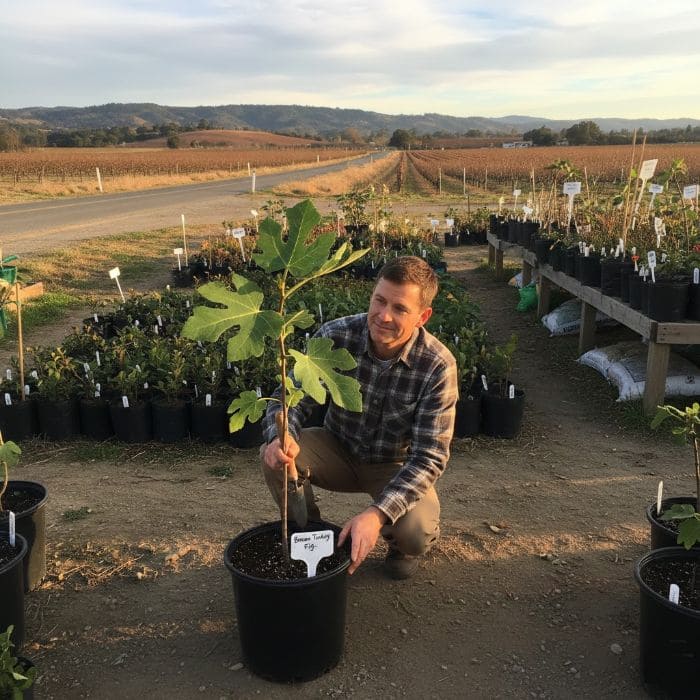
Two years ago, my husband returned from a business trip to northern California.
He had spent several days near the Central Valley, an area known for orchards, vineyards, and long stretches of land where agriculture feels like part of the landscape rather than an industry.
On his way back, he stopped at a small roadside nursery outside Sacramento, the kind of place that doesn’t advertise much, with handwritten labels stuck into pots and soil scattered everywhere.
He brought home a fig plant. At the time, it was small, barely reaching his knee, planted in a simple black plastic nursery pot.
The tag identified it as a Brown Turkey fig, a variety known for adapting well to warm climates and producing fruit reliably once established.
It had only a few large, lobed leaves and a thin trunk that felt more hopeful than confident.
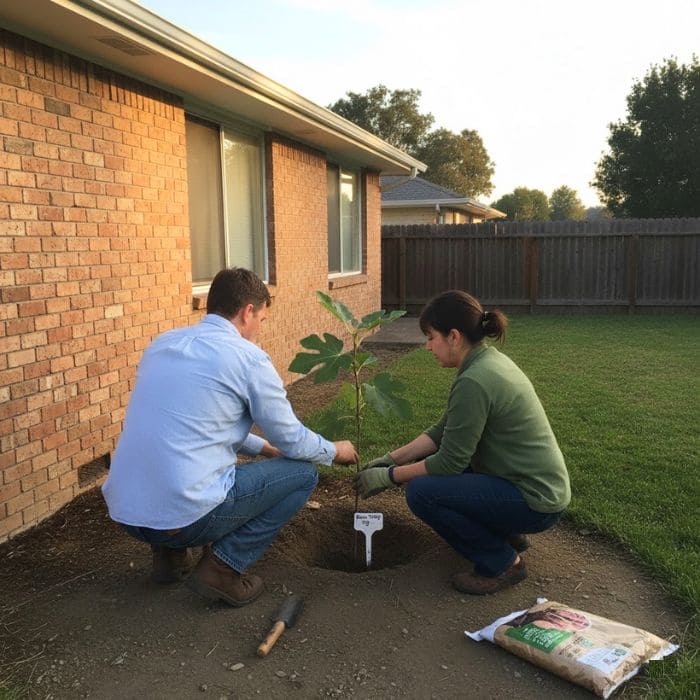
We planted it in the sunniest part of our yard, where it could receive long hours of direct sunlight while still being protected from the strongest afternoon heat.
For the first year, it did very little. It grew leaves, dropped them, and grew again.
The second year, the trunk thickened, branches stretched outward, and the plant began to look like it knew where it belonged.
The Morning I Finally Saw Figs
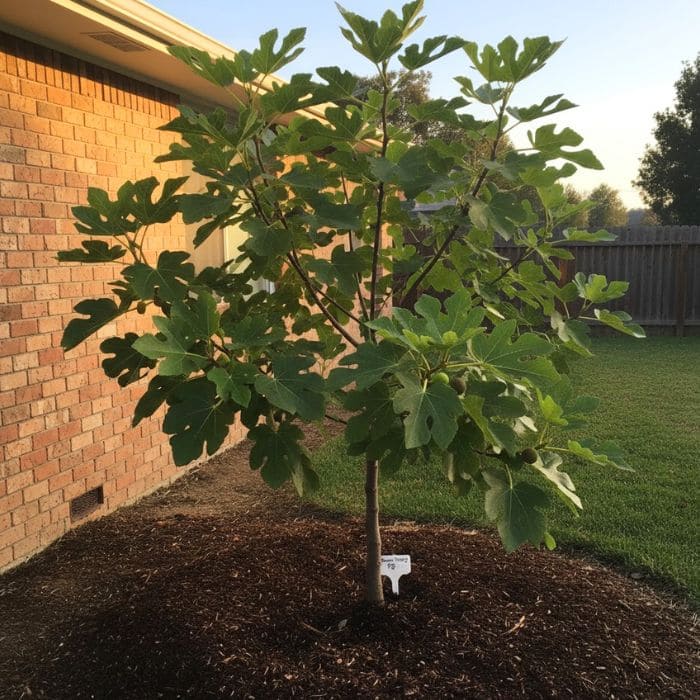
Two days ago, I noticed the difference. Tucked near the joints of the branches were figs, not many, but unmistakable.
Small, plump shapes about the size of a walnut, some leaning green, others beginning to deepen into a soft brownish purple, depending on how much sun they received.
The leaves were large and dramatic, easily as wide as my hand, with deep veins and a slightly rough texture.
When I touched one, it released that familiar green scent that fig leaves carry, earthy, slightly sweet, and warm.
The branches themselves had matured too. They were strong enough to hold the fruit but still flexible, bending gently instead of standing stiff.
That’s when the thought came to me, quietly but clearly. Why not arrange a vase with fig branches?
I had seen fruit branches used in arrangements before, in magazines or carefully styled homes, but I had always kept my distance from the idea.
Fruit felt different from flowers as it was heavier, and more final.
There was sap to consider, mess to worry about, and a strange fear of wasting something that took two years to grow. But honestly, I wanted to try.
Choosing and Cutting the Branches
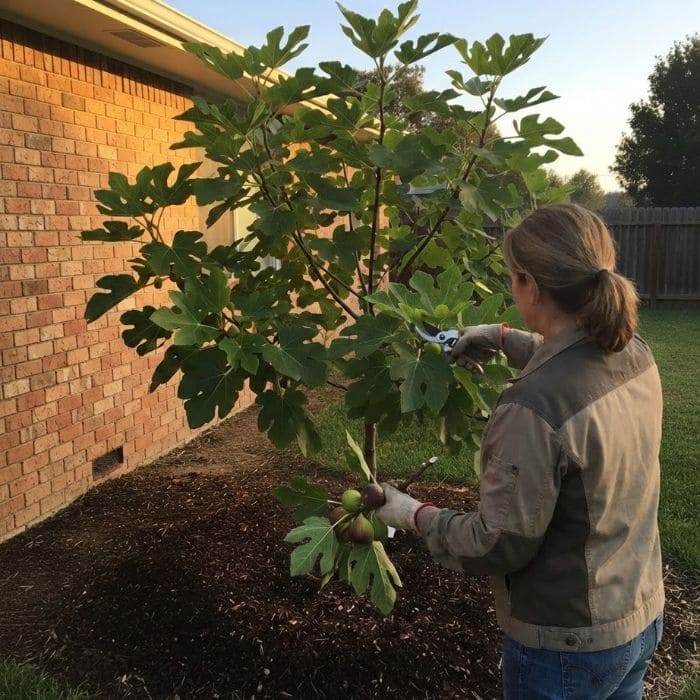
I chose three branches carefully. Two carried figs, each holding one or two fruits, and one smaller branch carried only leaves.
I used clean garden shears and made sharp cuts early in the morning, when the plant was well hydrated. Immediately, a milky sap appeared at the cut ends, something fig trees are known for.
I rinsed the cut ends gently under running water to reduce sap flow and placed the branches in a bucket of fresh water outside for a short while.
This step mattered because it helped the stems hydrate and prevented sticky residue from becoming an issue indoors.
Only after that did I bring them inside.
Arranging Fig Branches Indoors
I chose a tall, plain ceramic vase, off-white, with a narrow base and a wider opening.
I filled it with fresh water and arranged the branches loosely, letting them lean and curve naturally instead of forcing balance.
The leaves fanned outward, creating structure and shadow. The figs hung quietly among them, not centered, not staged, just present. I didn’t add any flowers or filler.
Then I placed the vase near a window where filtered sunlight could pass through the leaves.
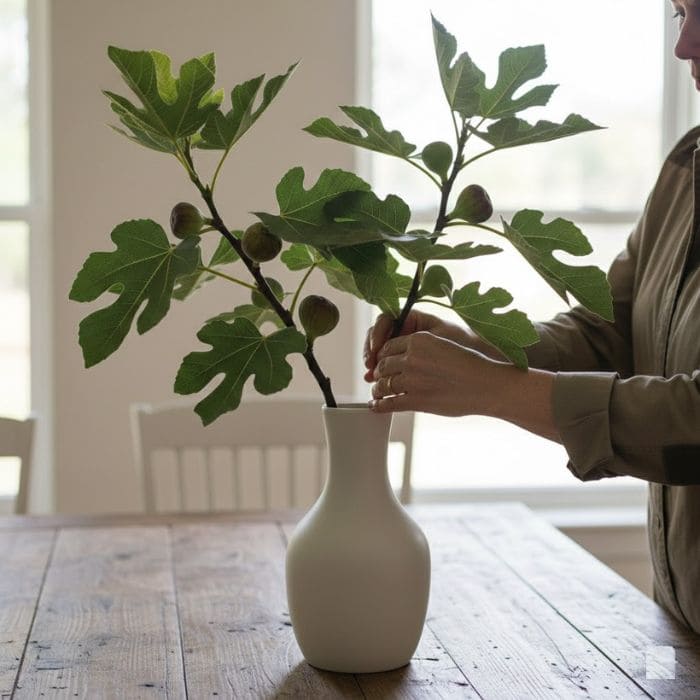
The result surprised me. The leaves caught the light and softened it, casting gentle shadows on the wall. The figs added weight and grounding, making the arrangement feel rooted rather than ornamental.
This vase felt alive in a different way than flowers do. And of course, it was less fleeting and more anchored.