Do We Really Need Traditional Vases All the Time?
For a long time, I believed that arranging flowers meant one thing only. You needed a proper flower arrangement kit, a traditional vase made from ceramic or glass, clean water, maybe a packet of flower food, and then your flowers. That was the image I carried in my mind, probably because it is the image…
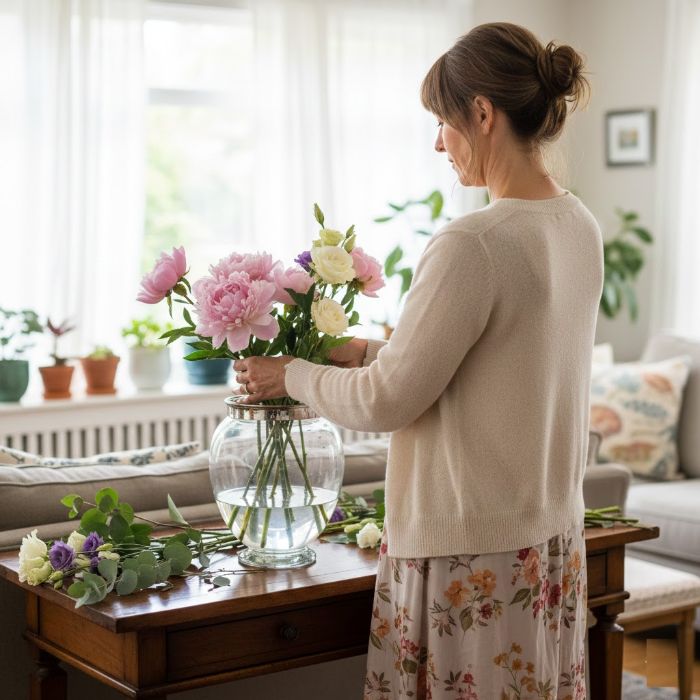
For a long time, I believed that arranging flowers meant one thing only.
You needed a proper flower arrangement kit, a traditional vase made from ceramic or glass, clean water, maybe a packet of flower food, and then your flowers.
That was the image I carried in my mind, probably because it is the image we see everywhere, in magazines, in flower shops, and online.
And yes, traditional vases are beautiful. I still use them, and I still love them. But at some point, as a housewife who values both beauty and a mindful, saving lifestyle, I began to ask myself a simple question.
Why am I buying more vases when my house is already full of objects that could hold flowers just as well?
Over time, I experimented with many alternatives. Some worked beautifully, some failed quickly, while some surprised me more than any expensive vase ever had.
Today, I want to share the three alternatives I return to most often, not because they are trendy, but because they fit naturally into real home life.
1. The Jar, My Most Honest and Flexible Option
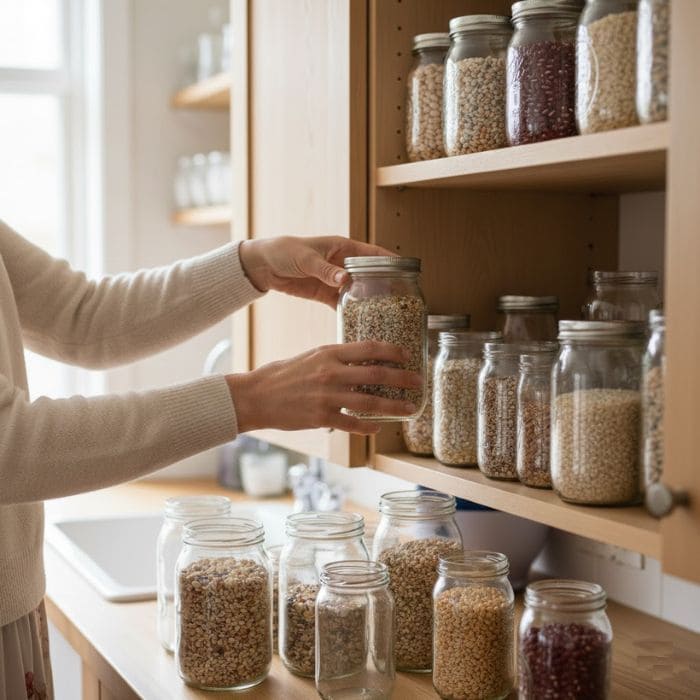
Using jars was the most natural transition for me, because jars already live in my kitchen. I simply opened a cabinet and started looking at what I already had.
Jars come in so many sizes, and that variety is their biggest advantage.
In my kitchen, I have small 4-ounce jars that once held spices, medium 6- and 8-ounce jars from jams or sauces, and taller jars that previously contained honey or pasta sauce.
I used to keep them to store leftover herbs, homemade sauces, or dry ingredients, but once empty, they became perfect flower containers.
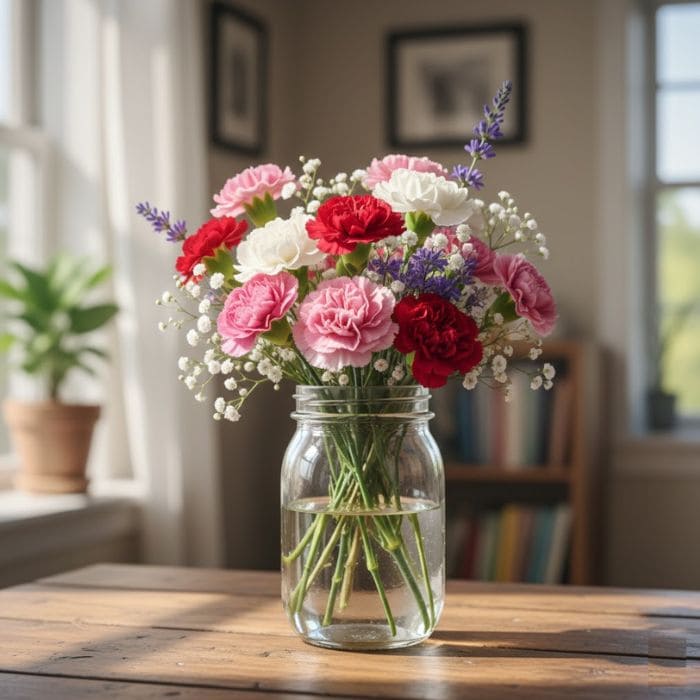
The sizes I use most often are the 6-ounce and 8-ounce jars, because they are stable, easy to clean, and ideal for small arrangements.
I like them especially for single stems, short garden roses, small tulips, carnations, baby’s breath, or even a few wildflowers gathered from the backyard.
Arranging flowers in jars feels less formal. I don’t worry about symmetry, so I let the stems lean.
I allow negative space. Sometimes I group three or five jars together instead of forcing everything into one container, which creates a softer and more relaxed look.
One detail I enjoy is adding a thin piece of jute or twine around the neck of the jar. Just one simple wrap and a knot is enough to make the jar feel intentional rather than accidental.
My advice:
Jars work best when you accept their simplicity. Don’t overcrowd them, so one to three stems is often more than enough.
Also, clean them well before use, because even small residue can affect water quality.
2. Plastic Bottles, A Lesson I Learned With My Son
This might surprise some people, but plastic bottles have become one of my most meaningful vase alternatives.
I tried glass bottles first, but I quickly realized that many of them have very narrow necks, which makes arranging flowers difficult unless you’re using single stems.
Plastic bottles, on the other hand, often have wider mouths and more forgiving shapes, which allows for flexibility.
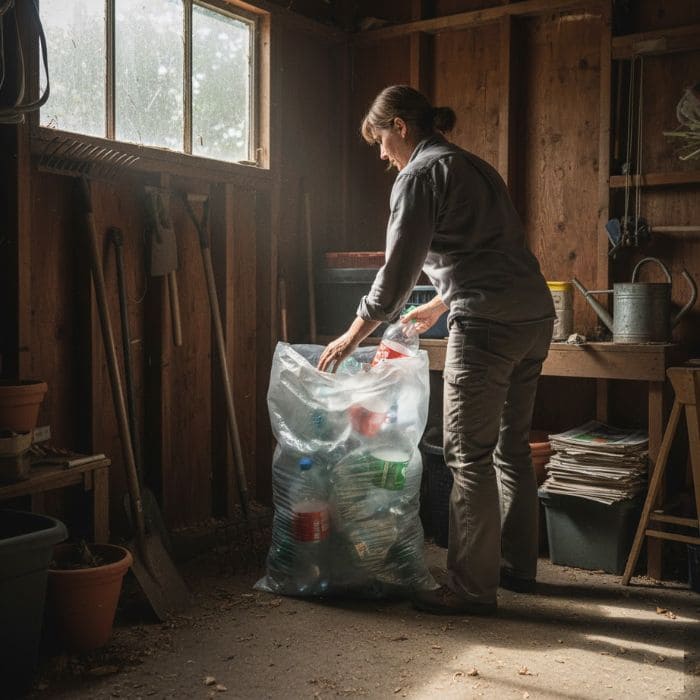
Because I care about reducing waste, I started collecting plastic bottles after we finished drinks, especially larger bottles from soft drinks or juice.
I rinse them, dry them, and store them in a large bag in the backyard shed, knowing they might be useful someday.
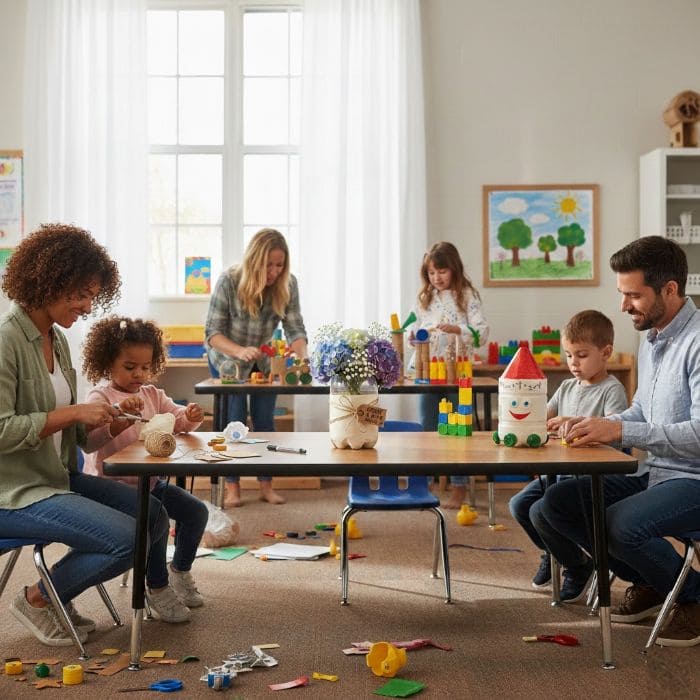
Last year, my son participated in a recycling program at his kindergarten. Parents were encouraged to create something useful or beautiful using recycled materials.
Together, we chose a medium-sized plastic bottle, about 1 liter in volume. We cut it carefully, smoothed the edges, and wrapped part of it with simple paper and twine.
For flowers, we arranged hydrangeas and baby’s breath, which felt perfect for the cheerful, hopeful theme of the program.
Hydrangeas symbolized gratitude and abundance, while baby’s breath represented innocence and new beginnings, which felt fitting for children.
We worked slowly, side by side. The display looked sincere, so our project won first prize.
I still remember my son holding the certificate proudly and whispering to me later, “I love you. I am proud of you.” That sentence alone made every plastic bottle worth saving.
My notes:
Plastic bottles are lightweight, stable, and forgiving. They work well for fuller arrangements like hydrangeas, sunflowers, or mixed seasonal flowers.
Plus, always smooth sharp edges and decorate simply so the flowers remain the focus.
3. Wood Logs, When I Want Something Grounded and Different
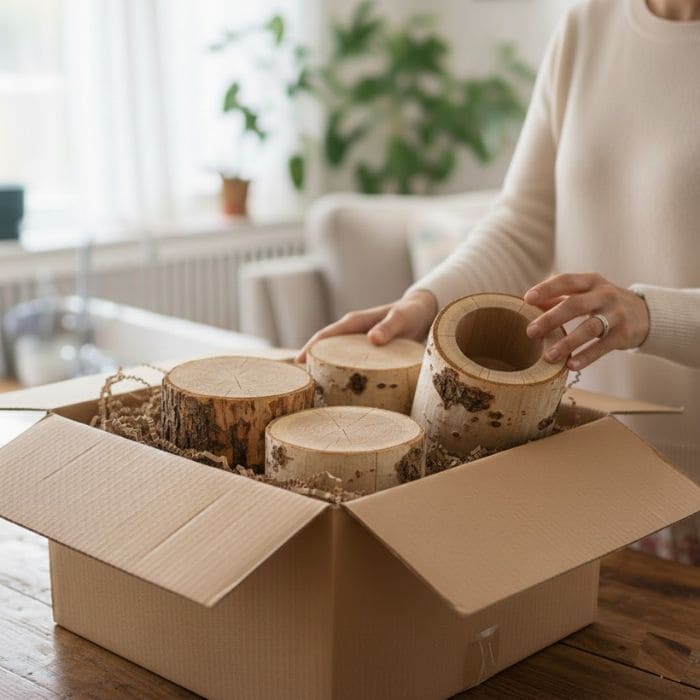
Wood log vases are not something I use often, but when I do, they bring a very different feeling into the house.
I only use logs that are thick and stable, usually about 10 to 15 centimeters in diameter and around 12 to 20 centimeters tall.
The surface should be smooth enough to handle, but still textured enough to feel natural. I prefer logs with visible grain, small cracks, or knots, because they add character.
Because wood logs are solid and absorbent by nature, I never treat them the same way I treat glass or ceramic vases.
If I am using fresh flowers, I always place a hidden inner container inside the hollowed log so the water never touches the wood directly.
This prevents the log from absorbing moisture, which can shorten the life of the flowers and damage the wood over time.
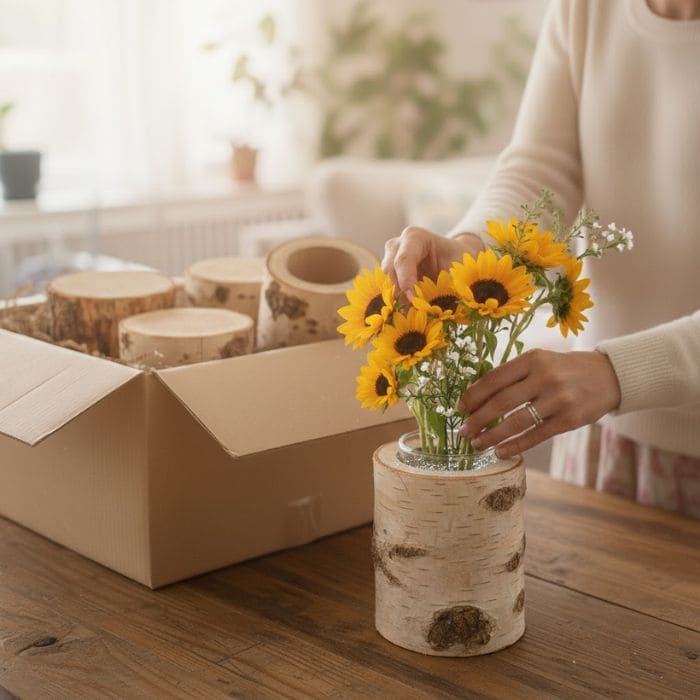
I choose flowers with thicker, stronger stems for wood log vases, such as garden roses, sunflowers, eucalyptus, or sturdy branches, because they tolerate slightly warmer water and slower air circulation better than delicate blooms.
I also keep the water level lower than usual, just enough to hydrate the stems, and refresh it more frequently, since airflow inside a wooden container is limited.
Additionally, I keep them away from heat sources, direct sunlight, and kitchen areas, because wood holds warmth longer than glass, and that extra heat can speed up wilting.
When arranged this way, flowers in a wood log vase may not last as long as in a traditional vase, but they age more gracefully and feel intentional rather than neglected.
Why These Alternatives Changed How I See Flower Arranging
Using non-traditional vases taught me something important. Beauty comes from intention, care, and how naturally something fits into your life.
Jars feel honest; plastic bottles carry memory and purpose; while wood logs bring grounding and warmth. None of them replace traditional vases completely, but together, they expand what flower arranging can be.
If you are a housewife like me, caring for a home, balancing beauty with practicality, I hope these ideas help you look at what you already have with fresh eyes.