The Smell That Always Tells the Truth
No matter how carefully we arrange flowers, almost everyone who keeps flowers indoors has faced this moment. You walk past a vase that looked fine yesterday, and before you even look inside, you smell it. Not strong at first, just a faint sour note in the air, something slightly metallic and stale, like water that…
No matter how carefully we arrange flowers, almost everyone who keeps flowers indoors has faced this moment. You walk past a vase that looked fine yesterday, and before you even look inside, you smell it.
Not strong at first, just a faint sour note in the air, something slightly metallic and stale, like water that has been sitting too long in a closed container. When you lean closer, the smell becomes unmistakable. The water has spoiled.
I have encountered this more times than I like to admit, even when I thought I was doing everything right.
Fresh cuts, clean vases, regular water changes. Still, the water turns cloudy, the stems feel slimy, and the scent creeps into the room before the flowers show any obvious signs of decline.
Over time, I realized this problem is not a sign of carelessness. It is simply part of keeping cut flowers indoors, especially in a warm, lived-in home like mine.
Why Vase Water Spoils So Easily
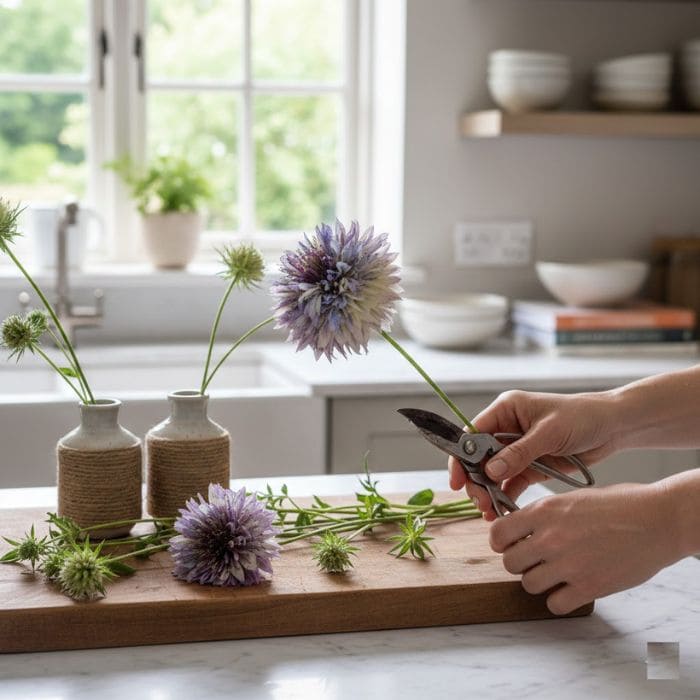
Once flowers are cut, the ends of their stems become open pathways. Bacteria enter the water quickly, feeding on plant material and multiplying faster than we expect.
Leaves that sit too low, microscopic debris from the stems, and even dust in the air contribute to this process. In Florida, warmth accelerates everything, including bacterial growth.
Even when I change the water every two days, there are times when spoilage still happens, especially with flowers that drink heavily or shed more organic material into the vase.
The Simple Combination That Changed Everything
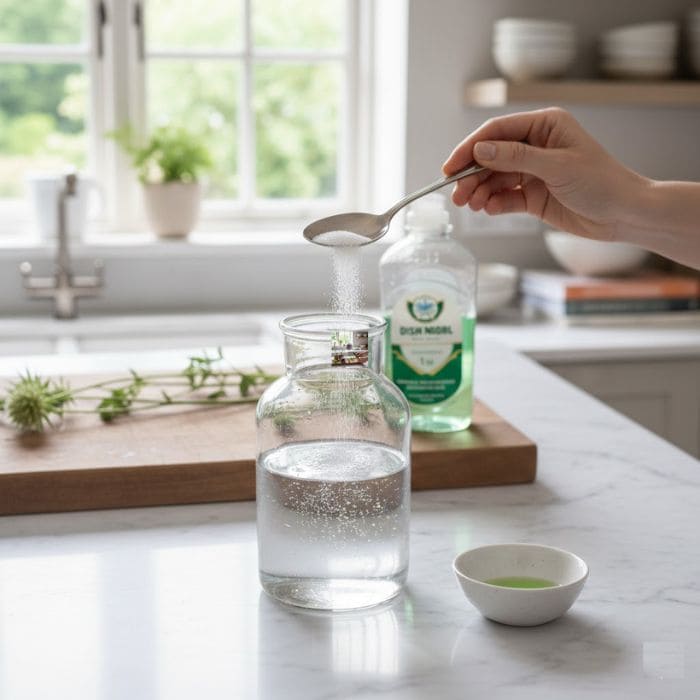
For one vase of flowers, I add one spoonful of sugar and one to two drops of dishwashing liquid to fresh water. That is it.
Sugar feeds the flowers. Once cut, flowers lose their natural source of carbohydrates. Sugar replaces that energy, helping blooms stay open and stems remain firm. Without it, flowers weaken faster, even if water is clean.
Dishwashing liquid plays a completely different role. In very small amounts, it acts as a gentle antibacterial agent.
One or two drops is enough to slow bacterial growth without harming the flowers. It also reduces surface tension in the water, allowing stems to absorb water more efficiently.
My personal tip: Too much soap will damage stems. I always use the smallest possible amount, just enough to do its job quietly.
What I Noticed After Using This Method
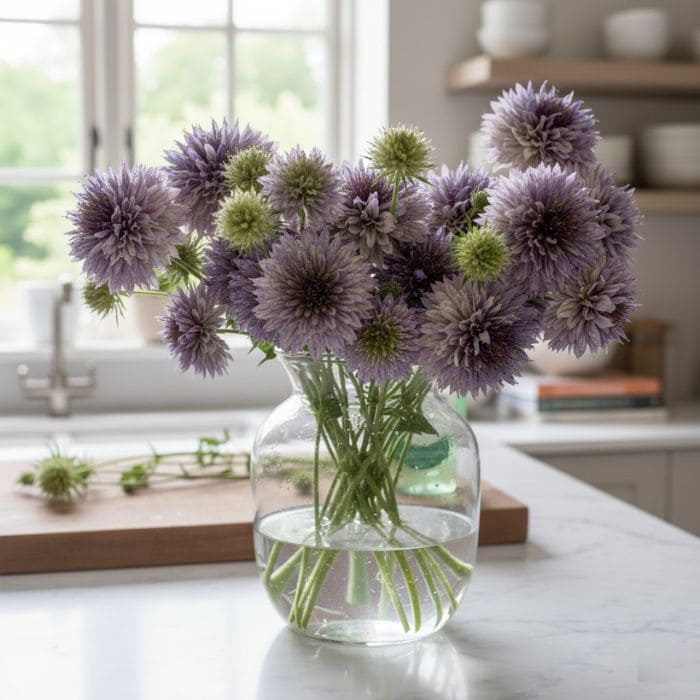
The first thing I noticed was the absence of smell. Even after several days, the water stayed clear and neutral. When I changed the water, there was no slimy feeling on the stems, and the vase rinsed clean easily instead of feeling coated.
The second change was in the flowers themselves. Blooms held their shape longer. Stems stayed upright. Petals remained firm instead of turning soft prematurely.
The flowers did not look artificially preserved. This method did not make flowers immortal, but it slowed the decline in a way that felt natural.
The Coin Trick I Learned Later
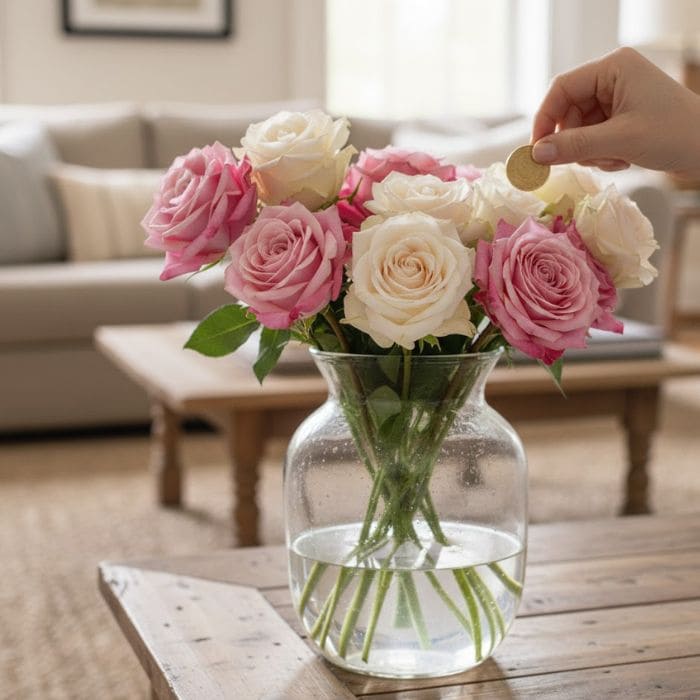
I also heard about another method that people have used for generations. Dropping one or two clean coins into the vase water.
Copper coins, especially older ones, release small amounts of copper ions into the water.
Copper has natural antibacterial properties, which helps inhibit bacterial growth in the vase. This is why the method works best with copper rather than modern coated coins.
I do this occasionally, especially with flowers that are particularly sensitive to bacteria, such as roses or garden roses. Before using coins, I wash them thoroughly to remove oils and residue.
Combining Both Methods Carefully
Over time, I found that the best results come from combining the two methods thoughtfully. Sugar for nourishment, dish soap for bacterial control, while a clean coin for added protection.
I do not always use all three, but when I do, I notice that the water stays fresh noticeably longer. The flowers drink more consistently, and the vase remains odor-free even in warmer rooms.
I still change the water regularly, because no method replaces good habits. But this combination reduces how quickly spoilage begins, which makes caring for flowers feel easier instead of constant.