Sunflowers Became Wilted in My Kitchen
I recently discovered something that completely changed the way I think about placing flowers indoors, and I want to share it honestly. I do not know what happens in your home, but in mine, this experience was quietly humbling and surprisingly educational. I had arranged sunflowers many times before. They were never difficult for me….
I recently discovered something that completely changed the way I think about placing flowers indoors, and I want to share it honestly.
I do not know what happens in your home, but in mine, this experience was quietly humbling and surprisingly educational.
I had arranged sunflowers many times before. They were never difficult for me. Sunflowers always felt reliable, with their thick stems, confident faces, and bright yellow color that makes a room feel alive the moment you walk in.
I never thought twice about where I placed them, until one specific week changed that habit permanently.
Why I Put Sunflowers in the Kitchen for the First Time
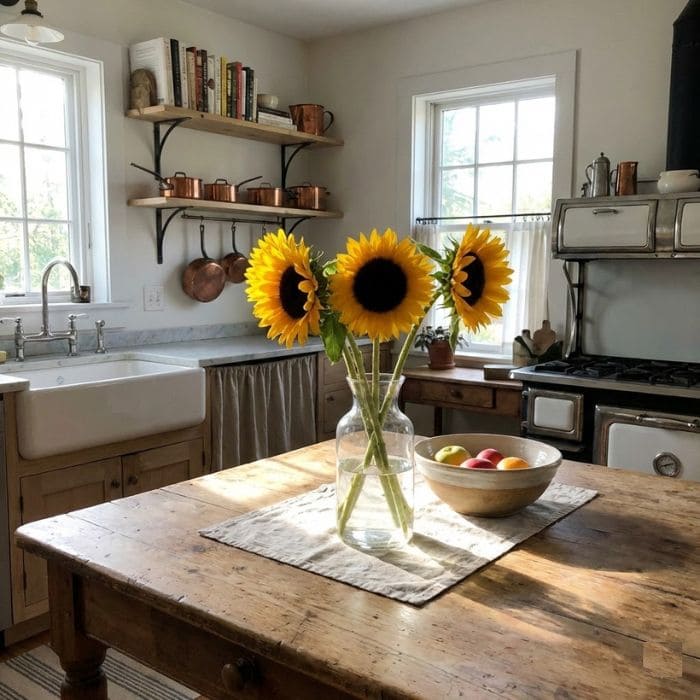
It was November, right before Thanksgiving, when the house felt fuller and louder than usual. I was spending long hours in the kitchen, preparing meals, testing recipes, and planning dinner for the holiday.
I wanted the kitchen to feel warm and cheerful instead of purely functional, so for the first time, I placed a vase of three sunflowers directly on the counter.
I loved them there immediately. Every time I turned around from the stove or sink, the sunflowers were right in front of me, bright and open. They made the kitchen feel creative instead of busy.
Seeing them while I cooked inspired me to slow down and even make small treats for my son, something I might not have done otherwise.
The Wilting That Made No Sense
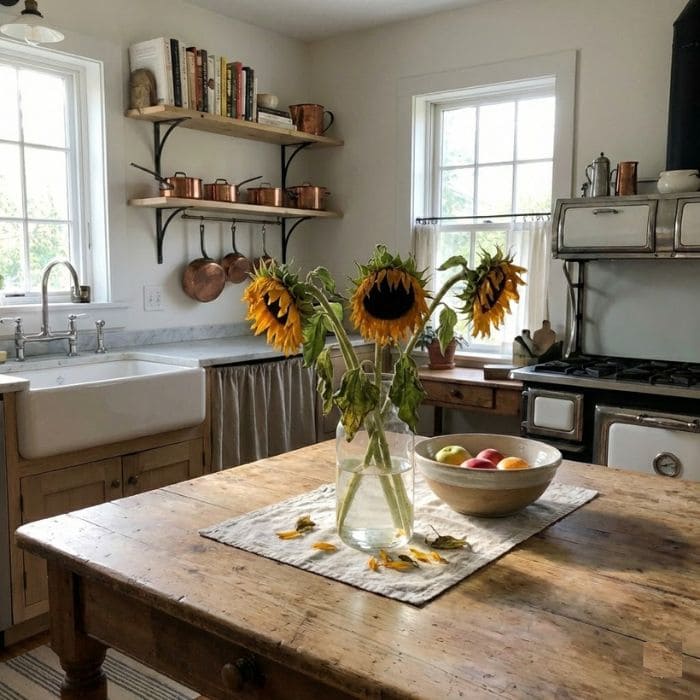
Only two days later, all three sunflowers wilted. Their heads dropped heavily, the petals curled inward, and the stems bent as if they could no longer support the weight.
I stood in the kitchen staring at them, genuinely confused, because I had done nothing differently from the many times I had arranged sunflowers elsewhere in the house.
I assumed it was a coincidence. Maybe the flowers were already stressed before I bought them, or maybe the batch was poor.
So I tried again.
Trying Again, Because I Needed an Answer
I bought three more sunflowers and placed them in the exact same spot on the kitchen counter, using the same vase and the same care routine.
I laughed to myself and blamed my persistence on being a Scorpio, because once I feel challenged by something, I tend to push until I understand it.
Two days later, those sunflowers wilted as well. At that point, I stopped joking and started questioning everything.
Doing All the Right Things and Still Failing
I reviewed every step carefully. I trimmed the stems at an angle. I changed the water. I made sure they were not in direct sunlight. The kitchen gets light, but not harsh sun on that counter. I checked for drafts. I kept them away from the stove when cooking.
Nothing explained why sunflowers that had always done well in my home suddenly failed so quickly, and only in that one room.
I searched online for hours. I posted my question on Reddit. Most answers repeated the same advice I already knew: avoid direct sun, change the water every two or three days, keep flowers cool.
I was already doing all of it, and that made the situation even more frustrating.
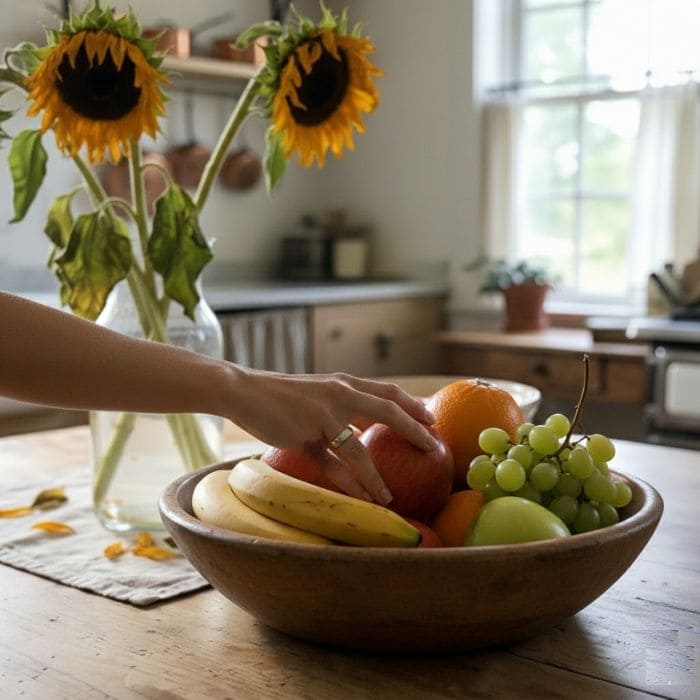
One night, while cleaning the kitchen after dinner, I watched a video that was not even about flowers.
It was about storing fruit properly. Somewhere in the middle of the video, the speaker mentioned ethylene gas, almost casually, and that single sentence stopped me.
Ethylene is a natural gas released by ripening fruit. Bananas, apples, avocados, pears, and tomatoes produce it in significant amounts.
This gas signals plants to speed up their aging process, which is why it is used commercially to ripen fruit faster. Then I paused the video and looked around my kitchen.
The Fruit Bowl I Had Never Questioned
My family eats a lot of fruit, so I always keep a large fruit basket on the counter.
Bananas are almost always there, often ripening quickly. Apples sit beside them. Sometimes avocados and pears join the mix. That basket had been sitting only a short distance from where I placed the sunflowers.
At that moment, everything became clear. The kitchen was not just warm and bright. It was constantly filled with ethylene gas released by ripening fruit.
Add to that the natural heat from cooking, oven use, and constant movement, and I had unknowingly created one of the most stressful environments possible for cut flowers.
Why Sunflowers React So Strongly
Sunflowers are particularly sensitive to ethylene. Their large flower heads and fast-growing nature make them respond quickly to environmental signals. Ethylene tells them that their life cycle should move forward, and they respond almost immediately.
That explained why they looked fine at first and then collapsed so suddenly. It was not dehydration or poor care. It was accelerated aging happening invisibly in the air around them.
I no longer place sunflowers in the kitchen, no matter how cheerful they look there. They now belong in the dining room or living room, far away from fruit bowls and heat.
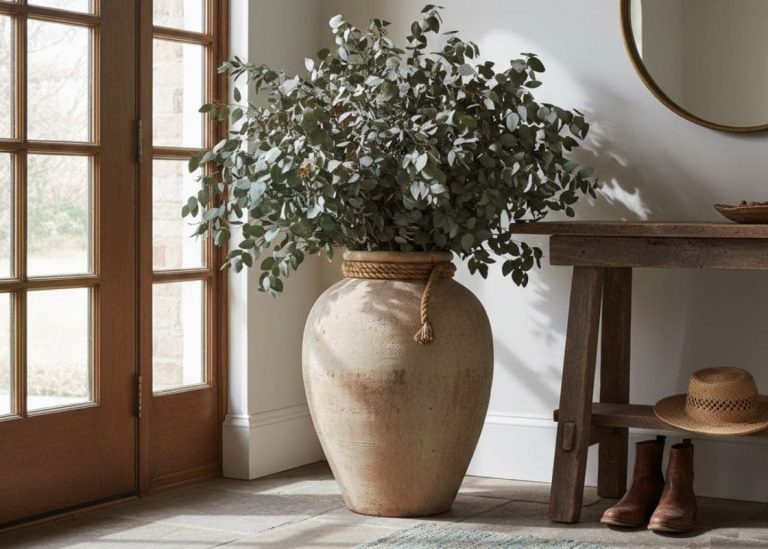
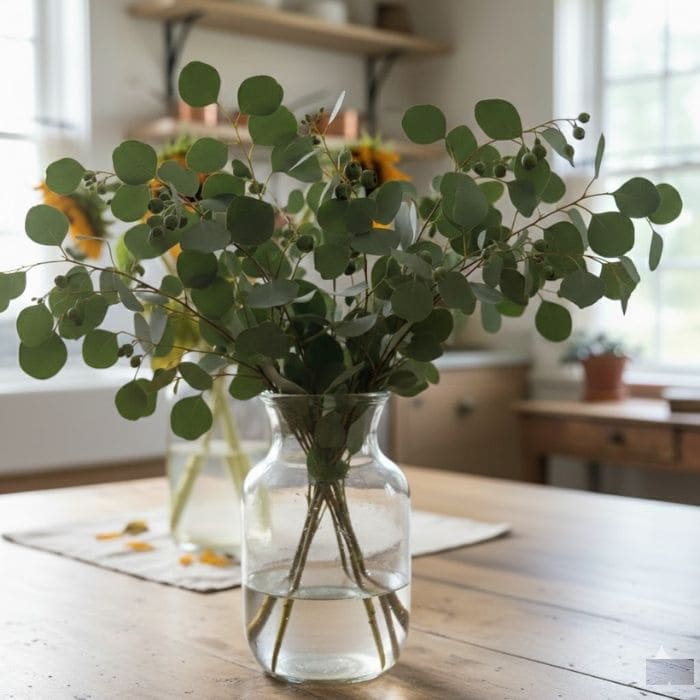
If I want something green in the kitchen, I choose eucalyptus or sturdy foliage that is far less sensitive to ethylene.
I also moved the fruit basket slightly farther from walkways and stopped placing any flowers near it.
The difference was immediate. The next time I bought sunflowers and placed them outside the kitchen, they lasted exactly as long as they should have.